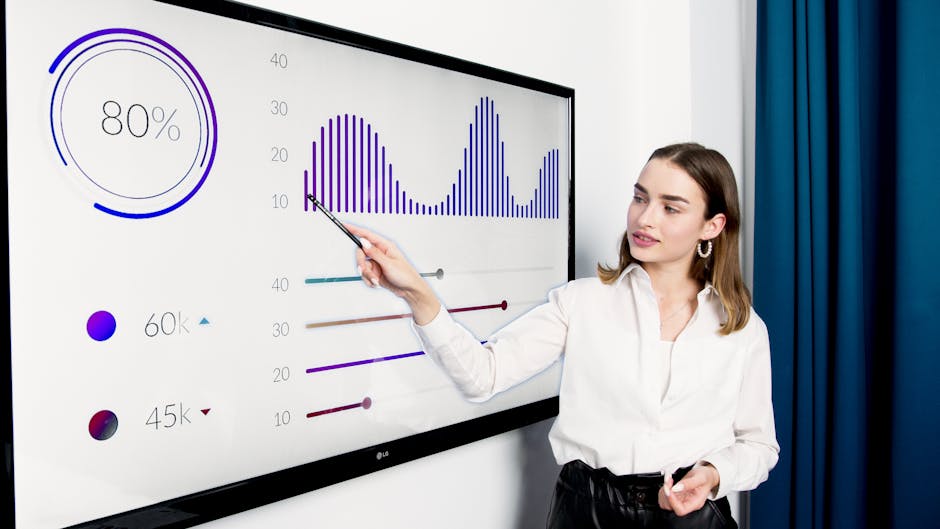
One Dashboard. All the AI Tools. No Confusion

One Dashboard. All the AI Tools. No Confusion
Imagine trying to navigate a bustling city without a map. You’d be lost, frustrated, and probably end up in a questionable neighborhood. That’s what it feels like for many people diving into the world of AI tools. With thousands of options available, it’s easy to feel overwhelmed. But what if there was a way to simplify this chaos? Enter the concept of “One Dashboard. All the AI Tools. No Confusion.”
Why One Dashboard?
Picture this: you’re a chef in a kitchen filled with every gadget imaginable. You have a sous-vide machine, an air fryer, and a blowtorch, but you can’t find the spatula. Frustrating, right? A single dashboard acts as your spatula, bringing all your AI tools into one cohesive space. This means no more toggling between apps or losing track of your projects. Everything you need is at your fingertips.
The Power of Integration
Integration is the secret sauce that makes a dashboard truly powerful. When tools work together, they create a seamless experience. For instance, imagine using a project management tool that integrates with your AI writing assistant. You can draft content, assign tasks, and track progress without switching platforms. This not only saves time but also enhances productivity. 🚀
- Streamlined Workflow: A unified dashboard allows for smoother transitions between tasks.
- Real-Time Collaboration: Team members can work together effortlessly, sharing insights and updates instantly.
- Centralized Data: All your analytics and reports are in one place, making it easier to make informed decisions.
Case Study: The Marketing Team
Let’s take a look at a real-world example. A marketing team at a mid-sized company struggled with multiple tools for social media management, analytics, and content creation. They decided to implement a single dashboard solution. Within weeks, they reported a 30% increase in campaign efficiency. How? They could track engagement metrics while crafting posts, all in one place. This integration allowed them to pivot strategies quickly based on real-time data. 📈
Choosing the Right Dashboard
Not all dashboards are created equal. Choosing the right one can feel like dating—there’s a lot of trial and error involved. Here are some tips to find your perfect match:
- Assess Your Needs: Identify what tools you currently use and what features you need.
- Look for Customization: A good dashboard should allow you to tailor it to your workflow.
- Check for Scalability: As your team grows, your dashboard should grow with you.
For example, tools like Notion and Monday.com offer extensive customization options, allowing teams to create a workspace that fits their unique needs. This flexibility can be a game-changer for productivity.
Overcoming Common Challenges
Even with a unified dashboard, challenges can arise. One common issue is user adoption. If your team is used to their old ways, they might resist change. Here’s how to ease the transition:
- Provide Training: Offer workshops or tutorials to help team members get comfortable with the new system.
- Highlight Benefits: Show how the dashboard can save time and reduce stress.
- Encourage Feedback: Create an open channel for team members to share their experiences and suggestions.
By addressing these challenges head-on, you can foster a culture of innovation and collaboration. 🌟
Future Trends in AI Dashboards
The future of AI dashboards is bright and full of possibilities. As technology evolves, so will the capabilities of these tools. Here are some trends to watch:
- AI-Powered Insights: Expect dashboards to provide predictive analytics, helping teams make proactive decisions.
- Enhanced User Experience: Look for more intuitive interfaces that require less training.
- Increased Automation: Automating repetitive tasks will free up time for more strategic work.
These advancements will make dashboards even more indispensable for teams looking to stay ahead of the curve.
Conclusion
In a world overflowing with AI tools, a unified dashboard can be your guiding light. It simplifies your workflow, enhances collaboration, and ultimately boosts productivity. By choosing the right dashboard and embracing its features, you can transform chaos into clarity. So, why not take the plunge? Your future self will thank you! 💡